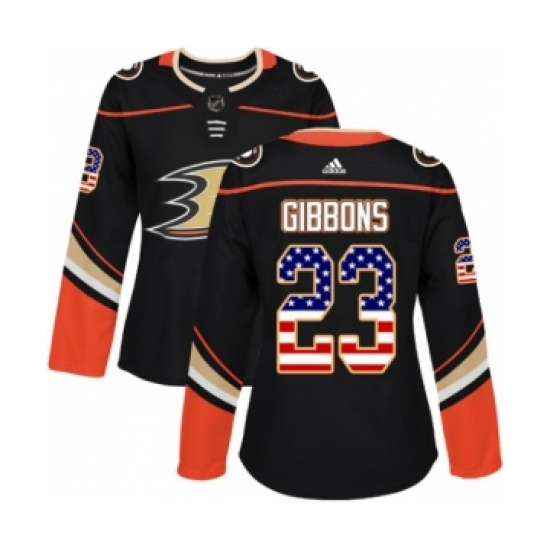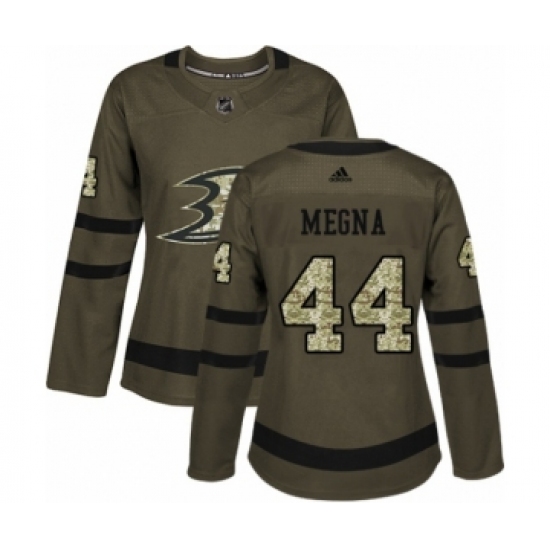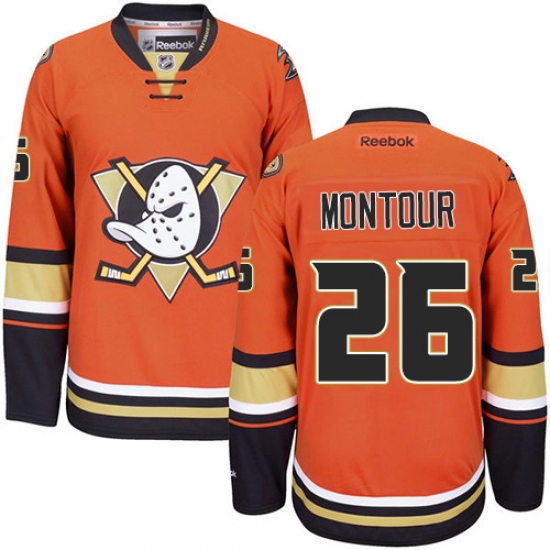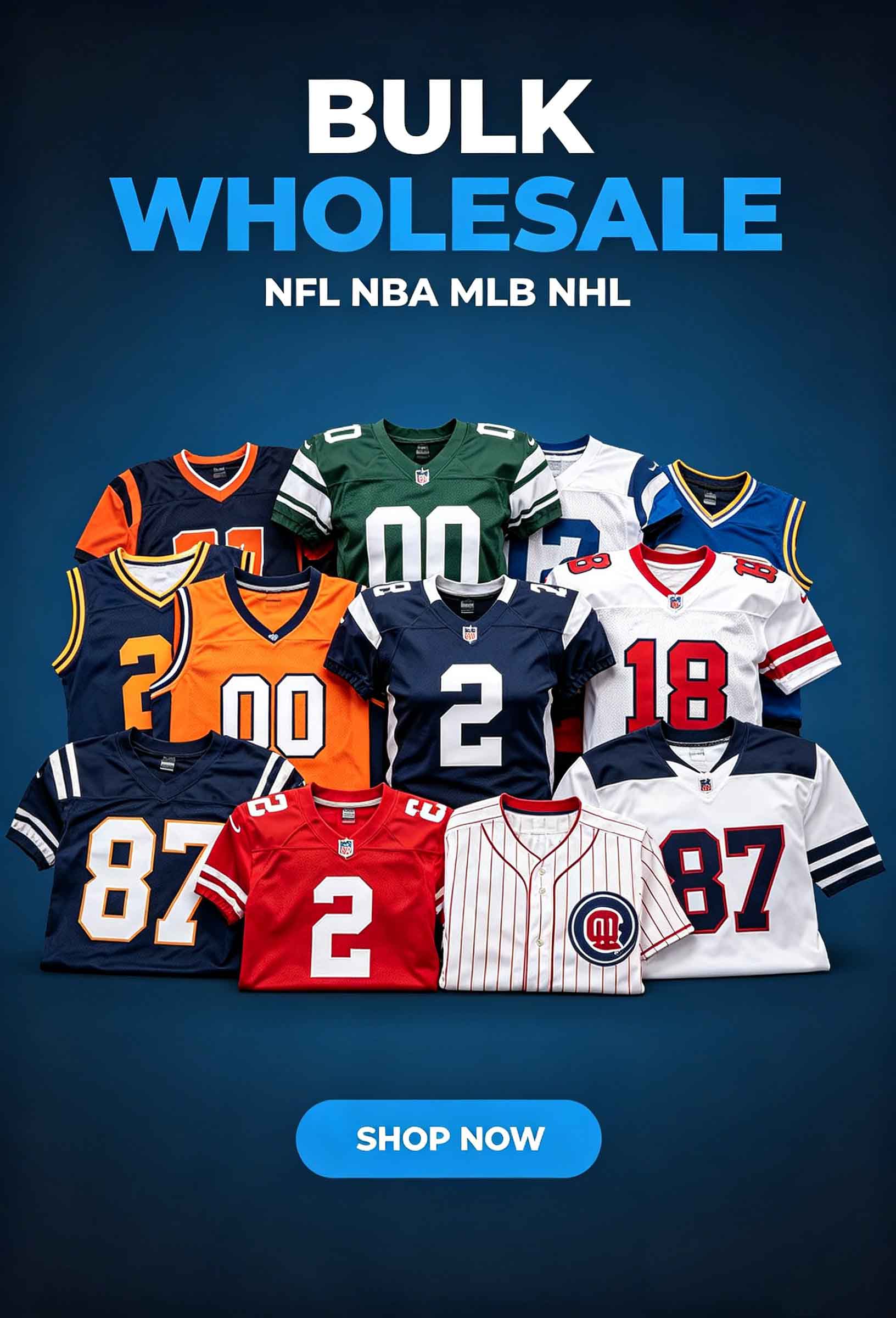
If you buy blank football jerseys wholesale for a team store, a customizing shop, or a distribution route, the margin math is simple: every middleman you cut out is money back in your pocket. Jerseys Wholesale House Shop holds warehouse-direct stock, so you source the same 300 GSM mesh blanks that decorators flip at retail markup — at factory-tier numbers.
Most resellers bleed profit in three places: inflated wholesale tiers, four-week production queues, and blanks that arrive with thin fabric or numbers that lift after ten washes. All three are fixable when the inventory already sits on a warehouse floor instead of waiting behind a factory order.
Blanks are the backbone of any jersey business. They let you print, embroider, or stitch names and numbers in-house, which puts turnaround time and decorating margin under your control. One SKU base can serve youth leagues, corporate flag-football teams, and retro resale buyers at the same time.
Fabric is where cheap suppliers get exposed. Real game-weight stock uses 100% breathable polyester mesh at 300 GSM, not the 180–200 GSM material sold as "mesh". Hold both in your hand and the difference is immediate: the heavyweight panel keeps its shape, hangs straight on a rack, and still moves air on a hot sideline.
Stitch quality decides how long a jersey survives. Double-stitched Tackle Twill numbers with tight satin edges and no loose bobbin thread will outlast any heat-pressed or single-stitched alternative by years, not months. Run your thumbnail along the border — if threads lift, the whole run is suspect.
- Stitch density: 8–10 stitches per inch along twill borders.
- Backing: soft interior backing so numbers never scratch the wearer.
- Collar: reinforced collar bands that resist stretch after repeated washing.
- Stress points: Z-pattern bar-tack at shoulders, armholes, and side vents.
When buyers ask how long stitched football jerseys actually last, the honest answer is five to eight years of regular wear when construction is right. Heat-pressed numbers typically separate within 12 to 24 months. That gap is why stitched blanks hold resale value and keep repeat customers coming back to your listing.
Interior comfort is not a marketing line. A scratchy number kills retail appeal faster than a loose thread, especially on youth sizes where parents inspect everything. Every stock blank carries a bonded soft interior backing that sits flat against skin, which matters when you move 500 units to a school district that will hear every complaint.
Colorfastness testing separates serious suppliers from garage operations. Ask for a wash test at 40°C across three cycles, then check for bleeding between the mesh body and the twill panels. Faded mesh ruins a team order, and no reseller wants to eat that replacement cost out of margin.
Warehouse depth keeps your storefront from showing "out of stock" during peak weeks. Deep size runs — youth S through adult 5XL — in the most-requested colorways mean a 200-piece order ships complete instead of splitting across three vendors and three freight bills. Core colors stay permanent; alternates rotate with the season, and buyers who lock their core sizing early get first pick of each run.
Tiered pricing does the heavy lifting on your margin. Small trial orders sit at one rate, mid-volume orders drop a tier, and full-pallet orders land at factory-direct numbers. That structure lets a new reseller start small and a distributor scale up without renegotiating terms every quarter.
Low MOQ thresholds are deliberate. A customizing shop testing a new market should not have to commit to 500 pieces to see real pricing. Start with a mixed-size pack, validate sell-through, then reorder the same SKU before that color cycle closes.
Quality control runs on a documented checklist: dimensional check against the spec sheet, stitch pull test, collar stretch test, and a symmetry check on front crest placement. Bulk orders get an AQL sample inspection before they leave the floor. For buyers who need steady supply rather than a one-time buy, blank football jerseys wholesale inventory at the house shop is replenished continuously, which shortens the gap between your reorder and your shelf.
Customization capability decides how much of the chain you own. If you can apply stitched names and numbers on site, you sell a finished jersey instead of a commodity blank — and the price difference often runs 60–120% over your blank cost.
Shipping speed comes down to pick-and-pack discipline. Orders picked from live warehouse stock ship in days, not weeks. Production queues are the enemy of a seasonal spike: when a playoff run hits, you cannot wait a month for a container to clear.
Packaging matters more than most buyers admit. Flat-folded jerseys with a poly bag and a consistent size sticker move faster on a rack and cut returns caused by mislabeled sizing. Ask your supplier to keep sticker placement identical across a full run.
Here is a quick margin benchmark. Buy a stitched blank at tier wholesale pricing, decorate it, and sell at standard retail. The spread typically covers decoration labor, inbound freight, and a healthy profit — leaving room to run a promo without going underwater.
Youth sizing is the most underused upsell in the category. Parents buy for their kids first and themselves second. Carrying youth S through XL in your top three colorways doubles transaction value without adding a supplier or a new spec sheet.
Storage and sampling protect that value. Keep blanks folded in a cool, dry space away from direct sun, and never stack them under heavy cartons — moisture and pressure creases turn fresh stock into discount items. Order one sample, run it through your own decoration process, and wash it twice before committing to a bulk purchase.
Q: Do blank football jerseys wholesale orders include mixed sizes?
A: Yes. Mixed-size packs let you test a colorway without overcommitting, and full size curves are available once a SKU proves out.
Q: What is the minimum order quantity?
A: MOQ stays intentionally low so new resellers can validate demand before scaling. Larger volumes unlock the next pricing tier automatically.
Q: Are stitched numbers worth the extra cost over printed ones?
A: For resale, yes. Stitched twill commands higher pricing, survives more wash cycles, and reduces returns — the cost difference pays back on the first reorder.
Q: How fast do bulk orders ship?
A: In-stock items are picked and dispatched from the warehouse in days. Custom decoration adds a short production window on top of that.
Stop paying three layers of markup for the same mesh blank. Head to Jerseys Wholesale House Shop to review the live warehouse catalog at www.jerseyswholesalehouse.shop, compare tiered wholesale discounts, check low MOQ entry points, and lock a factory-direct dispatch slot before the next color rotation sells through.