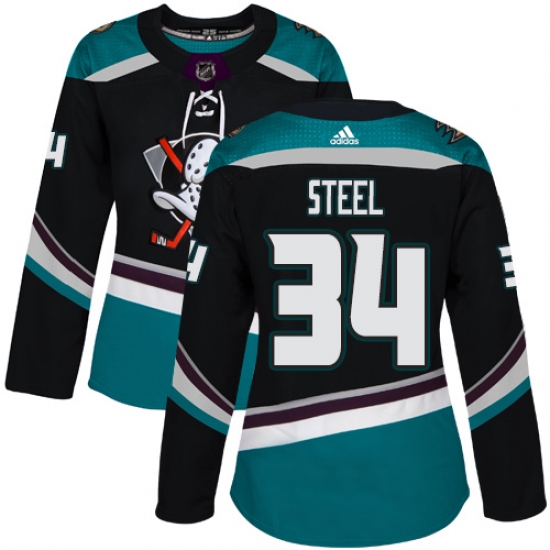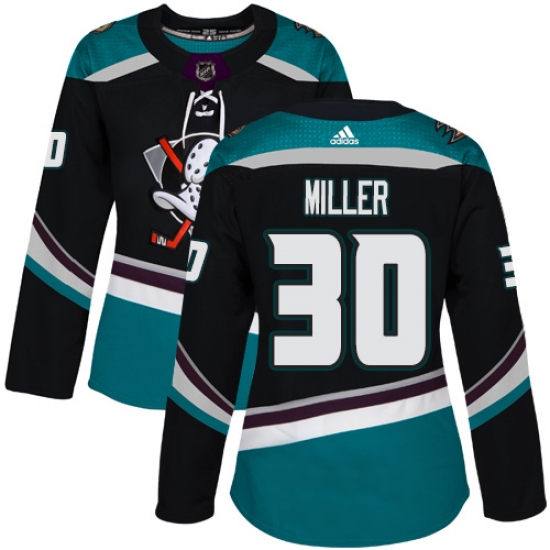
Blank hockey jerseys wholesale is a margin game, not a catalog guessing game. When buyers search for blank hockey jerseys wholesale, they usually need consistent blanks for league orders, team stores, and decorator shops without paying two layers of middleman markup. The real pain is predictable: suppliers show full size runs online, then short-ship half the order; collar bands pucker after one wash; mesh weights vary from lot to lot; and 30-day production windows kill a fall league launch. House Shop stock solves the inventory problem first, then the construction problem second.
The House Shop model is simple: buy deep, hold stock, and move cartons from a working warehouse instead of promising future production. That matters to B2B buyers who quote a team store or a municipal league on Tuesday and need a firm ship date by Friday. Stock depth is tracked by color, size, and style, so you are not guessing whether the navy XXL is actually available. If the warehouse does not have it, you should know before you collect a deposit.
Blank inventory protects cash flow. Decorated jerseys lock you into player names, numbers, and team marks that may not sell through if a roster changes or a season is delayed. Blank hockey jerseys let league managers collect sizes first, then add names and numbers in controlled batches. Resellers can hold core colors, sell to local teams, and avoid the dead stock that comes from ordering 40 pre-decorated jerseys for a 22-player roster.
Fabric is where cheap blanks fail. House Shop core hockey blanks use 100% breathable polyester mesh with a 300 GSM heavyweight hand on core styles, so the jersey holds shape without feeling like a plastic shell. The mesh holes stay open after repeated washing, which helps airflow during play and reduces the clammy feel that makes players complain. Weight consistency matters because a light lot and a heavy lot in the same color card look different under arena lighting.
Construction is checked at the stress points, not just the front photo. Look for reinforced collar bands that recover after being pulled over shoulder pads, soft interior backing behind the neck and shoulder seams, and Z-stitch reinforcement at high-stress areas. These details cost pennies per unit at the factory but save dollars per return at the retail counter. A jersey that scratches a player’s neck will come back, no matter how good the color looks on a hanger.
If your program moves into decorated stock, the same standard applies to double-stitched Tackle Twill numbers and embroidered crests. The stitch density should be tight enough to prevent puckering but not so tight that the twill edge curls after washing. Backing material should sit flat against the mesh, and the interior side should be covered so the stitching does not rub. That is the difference between a jersey that survives a season and one that looks tired after two games.
Bulk quality inspection should be measurable. At receiving, pull samples from multiple cartons and check the following:
- Chest and body length: measure flat against the approved size chart, not against a single sample.
- Collar recovery: stretch the collar band gently and confirm it returns without a wave.
- Seam pull: tug shoulder, armhole, and side seams with moderate force; look for skipped stitches.
- Mesh airflow: hold the fabric to light and check for blocked or uneven mesh holes.
- Color consistency: compare against the approved swatch under daylight, not just warehouse lighting.
Hockey sizing needs its own discipline. These jerseys are designed to fit over pads, so a player who wears a large T-shirt may take a medium in a hockey cut, while a goalie needs a different body and sleeve profile. Publish a flat-measurement chart for chest, body length, and sleeve length. Tell buyers to measure a jersey they already like, not to guess from streetwear size. That one step cuts size-related returns more than any marketing claim.
Size ratios decide whether a bulk order sells through or sits. A common mistake is ordering equal numbers of S through XXL. Most adult league and team store demand clusters around L and XL, with smaller quantities at the ends and a few larger sizes for goalies or heavier players. Youth orders need their own ratio. If you serve schools and rec leagues, keep a small youth block in core colors and let custom decoration handle the rest.
Low MOQ starter packs make sense for distributors testing a new account. Tiered wholesale pricing should reward volume without forcing a small league manager to buy 200 units. Typical House Shop price breaks are built around 25, 50, 100, and 250-piece blocks, with better unit costs as the order moves up. Ask for the full tier sheet before you quote, because the difference between a 25-piece and 100-piece block can decide whether your resale price wins the bid.
Bulk transfer speed is the quiet advantage. In-stock blank orders are picked, packed, and staged from the warehouse rather than waiting on a factory line. That means a league manager can collect late registrations, place a top-up order, and still dress the team before opening night. Consolidated shipping and carton labeling should be clear enough that your receiving team can check the order without sorting through mixed SKUs for an hour.
Blank jerseys must accept local decoration without fighting the needle. A decorator needs stable mesh, flat shoulder panels, and a collar that does not shift under the embroidery hoop. Ask for a decoration test if you plan to run thick Tackle Twill numbers or multi-layer crests. The blank should hold its shape after the hoop is removed, and the interior backing should protect the player from loose thread ends. That is basic product discipline, not a premium add-on.
Margin math starts with landed cost, not the unit price on the quote. Add inbound freight, decoration, individual bagging, and the labor cost of sorting sizes. A cheaper jersey that requires you to re-bag every unit or handle 12% returns is not cheaper. House Shop pricing is built for resellers who need repeatable margins, so the quote should let you protect your distributor price and still leave room for a team discount. If the numbers only work at retail, the program is not built for B2B.
Receiving checks should be documented. Inspect at least 10% of cartons on a new supplier and 5% on a repeat order, then photograph defects against the carton label. Track the defect type, size, and color so you can spot a bad lot before it reaches a team. A short collar on one jersey is an annoyance; a short collar across 40 jerseys is a return shipment. Written checks turn a subjective argument into a clear claim.
Care instructions protect your resale value. Tell buyers to wash cold, turn the jersey inside out, skip fabric softener, and hang dry. Heat breaks down mesh elasticity and can shrink collar bands. Bleach and harsh stain removers can dull dyed polyester. For mud or field stains, rinse cold water through the back of the fabric before using a mild detergent. Players who follow those steps get more seasons from a jersey, and fewer returns land back on your counter.
Before you quote a league, confirm current mesh weights, color cards, size breaks, and stock depth. The blank hockey jerseys wholesale page is the fastest way to check live House Shop categories and compare core styles. Do not build a bid around last season’s spec sheet. Fabric lots, collar trims, and color availability can change, and a professional buyer verifies before promising a delivery date.
The cheapest quote often hides the most expensive problem. A low unit price with no size chart forces you to guess. A thin collar band saves the factory a few cents and costs you a reorder. A supplier with no warehouse depth may accept your order and then split it across three production runs. B2B buyers should compare stock confirmation, measured specs, decoration compatibility, and return policy, not just the number at the bottom of the page.
House Shop stock serves several buyer types from one inventory base. Resellers need core colors and size runs for local teams. League managers need blanks they can decorate after registration closes. Team apparel buyers need consistent measurements across multiple orders. Distributor buyers need tier pricing and carton-level packing that fits their own warehouse flow. The common thread is simple: predictable blanks, checked construction, and a ship date that does not move every time you call.
Reorder planning should be based on sell-through, not gut feel. Track which sizes move first, which colors sit, and which teams come back for top-ups. Keep a buffer in the two or three sizes that drive most adult league orders, and do not let a slow color pull cash from the core program. A blank jersey is only a good investment if it can be sold in the sizes your market actually wears. That is how wholesale buyers build a durable team business instead of a one-season clearance table.
Q: What is the typical MOQ for blank hockey jerseys wholesale?
A: House Shop starter orders can begin at lower piece counts, with better unit pricing at 25, 50, 100, and 250-piece tiers. Confirm the current MOQ by color and size because stock depth changes by style.
Q: Do these blanks work for embroidery and screen printing?
A: Yes, core mesh blanks are built for decoration, but test a sample with your exact crest or number package. Ask about hoop stability, interior backing, and stitch density before running a full team order.
Q: How should I size a bulk hockey jersey order?
A: Use flat measurements and order around the size ratio of the league or team store. Adult orders usually lean toward L and XL, but youth leagues and goalie cuts need separate planning.
Q: How do I check quality before a large reorder?
A: Pull samples from several cartons, measure chest and body length, check collar recovery, pull the main seams, and compare color against the approved swatch. Document defects by size and color before you approve the reorder.
Review live stock, size grids, and tiered wholesale price breaks at www.jerseyswholesalehouse.shop, then shop the full NHL jersey catalog to lock in factory-direct House Shop inventory. Low MOQ starter blocks, volume discounts, and fast bulk dispatch give resellers and league buyers a clean path from quote to delivery without sacrificing margin.