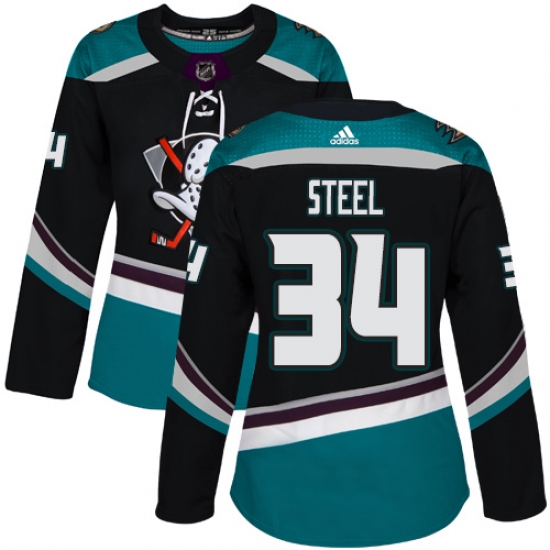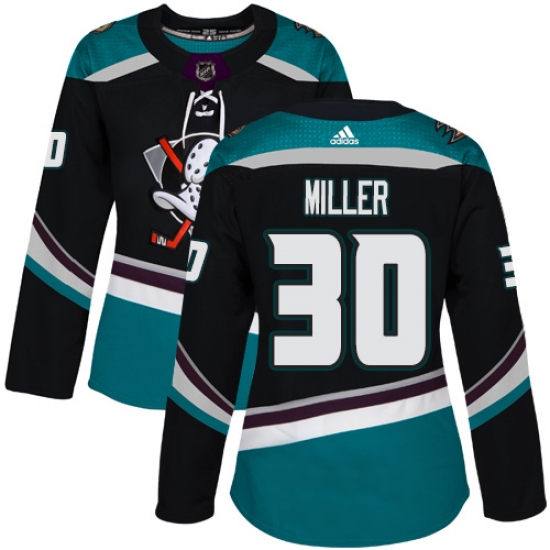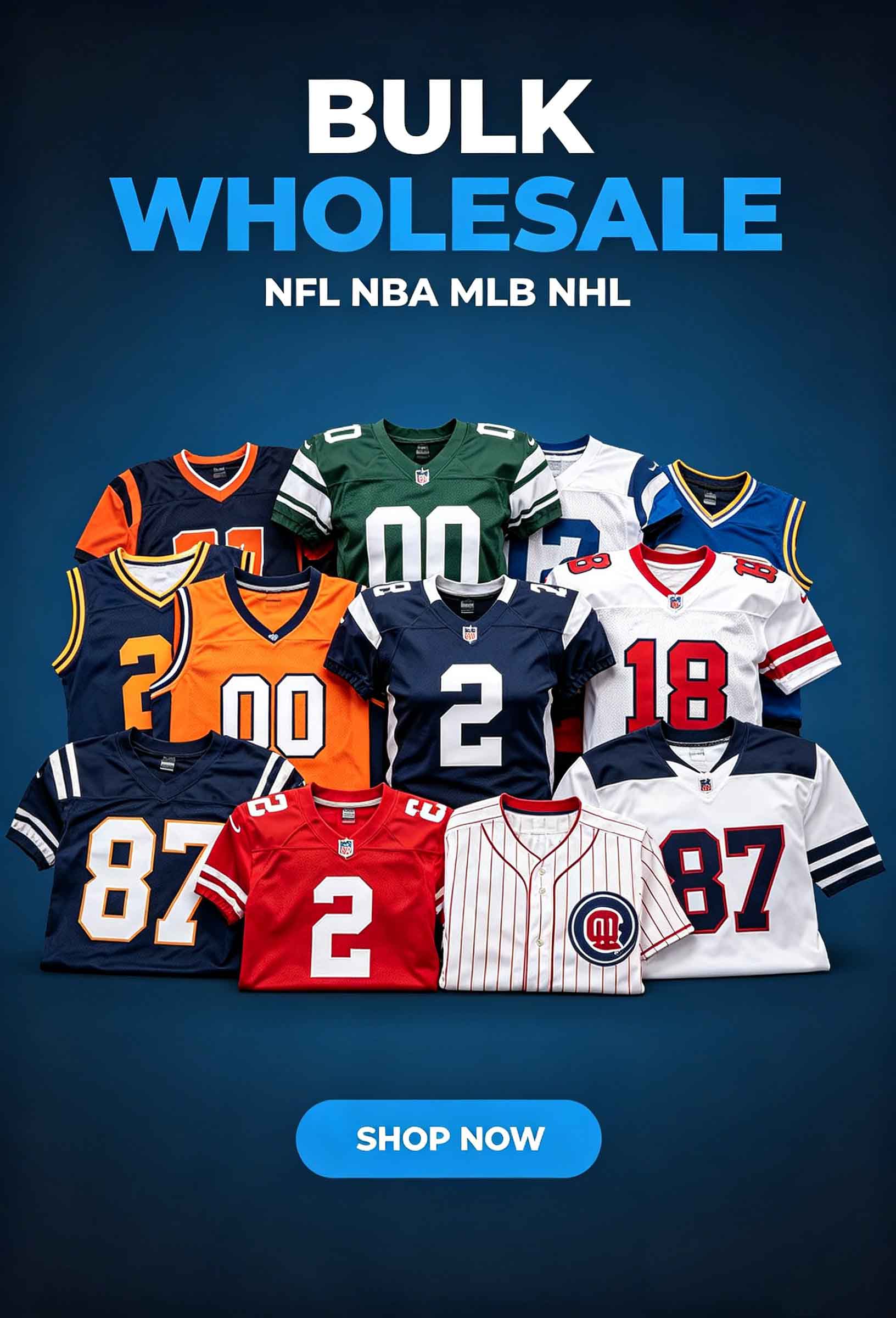
Custom stitched football jerseys bulk buying is a margin game, not a design contest. If your current supplier sits two or three steps away from the factory, every layer takes a cut before the jersey reaches your shelf — and you are the one explaining the price to your customers.
League managers and apparel distributors run into the same four walls: quote prices that climb every season, dispatch times measured in weeks instead of hours, embroidery that starts lifting after five washes, and size runs that sell out right when a team needs 60 matching units. The House Shop model was built to remove all four.
Start with the build. A jersey is either stitched or it is printed with a heat-transfer patch pretending to be stitched. Heat press looks acceptable in photos and fails on the field. Real tackle twill is cut from layered fabric, positioned, then sewn down through the panel. When a buyer opens a carton and runs a thumbnail along the number, that difference is obvious in two seconds.
Fabric weight is the next filter. Lightweight 180–220 GSM mesh feels thin in the hand, holds creases, and shows every pull in the weave. Our stock runs on 300 GSM heavyweight mesh built from 100% breathable polyester mesh — dense enough to hold structure on a hanger, open enough that players stay dry through four quarters. Buyers who handle both side by side rarely go back to the light stuff.
Stitch construction is where bulk orders either survive or fail. Every number and name plate in our NFL stock is double-stitched Tackle Twill, sewn with a Z-stitch reinforcement at the corners and high-tension points. That corner stitch is the single spot where cheap jerseys tear first, because the needle holes run in one straight line and the fabric pulls apart along them.
Inside the jersey, a soft interior backing covers the backside of the embroidery. Without it, thread ends and stiff twill edges rub against skin, and players start complaining by week two. Our backing keeps the inside smooth so the jersey can be worn over a bare shoulder without irritation.
The collar gets its own attention. Reinforced collar bands hold their shape after repeated stretching and prevent the droop that makes a whole team look sloppy in photos. Shoulder yokes are taped to stop the seam from rolling, and armhole edges are finished with a double-fold bind rather than a raw overlock stitch.
For resellers, garment quality only matters if the inventory is actually on the floor. House Shop stock sits in our own warehouse as ready-to-pull inventory — no drop-ship relay, no waiting on a factory to schedule your run behind someone else's. When a league calls on a Monday and needs 200 units by the weekend, that difference decides whether you keep the account.
Pricing runs on a straightforward ladder. The more units you pull, the lower the per-piece cost, and the discount is applied automatically at quote time.
- Tier 1: 10–49 units — entry wholesale rate, good for testing a new colorway
- Tier 2: 50–149 units — mid-tier pricing with mixed sizes allowed in one carton
- Tier 3: 150–499 units — distributor rate, custom names and numbers included
- Tier 4: 500+ units — factory-direct tier with priority stock allocation
Opening orders for custom stitched football jerseys bulk programs start as low as 10 units per style. That low threshold matters for small shops that want to validate a design before committing capital, and for league buyers who need one extra color for a single division.
Quality control on bulk shipments follows a fixed checklist rather than a glance. Every production lot is pulled at random and measured against these points:
- Chest and length measurements within ±1 cm of the size chart
- Stitch density checked at number corners, name plate ends, and collar seams
- Color match verified against the approved swatch under daylight and store lighting
- Zipper, button, or lace hardware function tested on every sampled unit
- Needle detection pass on 100% of finished goods before packing
Customization is where most wholesale headaches start. Send a roster sheet with player names, numbers, sizes, and any sleeve or chest patches. Fonts and color codes get locked before cutting, and we send a digital proof so nobody discovers a wrong spelling after 300 jerseys are sewn. This is the part where a cheap supplier saves 15 minutes and costs you an entire order.
Size planning deserves more thought than it usually gets. Our NFL patterns run true to standard US sizing, which means a customer who wears a large in a cotton tee will fit a large here without sizing up. Keep your size curve realistic:
- S and 2XL: roughly 8–10% of the order each
- M and L: the volume core, usually 25–30% each
- XL: 20–25%, the second strongest seller in most team orders
- 3XL and up: 3–5%, but keep a few in stock — they sell at full price
Order 10% above the confirmed roster count. Late additions, damaged-in-transit replacements, and one player who changes his number are normal, and a second small production run costs far more per unit than the overage would have.
Freight math often gets ignored until the invoice lands. Bulk jerseys compress well and typically ship 40–60 units per carton depending on size mix. Consolidating into full cartons instead of splitting shipments cuts per-unit freight dramatically, and door-to-door delivery terms mean your landed cost is known before the goods leave.
Here is a realistic margin picture. A reseller buying at Tier 2 and selling at standard retail keeps a healthy spread on every unit, and the spread widens at Tier 3 once custom names and numbers are folded in at no extra charge. Distributors who push volume into Tier 4 routinely resell to sub-dealers and still hold margin on both ends of the transaction.
Care instructions are worth passing along to your customers, because jerseys that survive longer generate repeat business. Wash inside out in cold water, skip the dryer entirely, and never iron directly over tackle twill. Store jerseys on wide hangers or folded flat with acid-free tissue between layers — hanging a heavy 300 GSM jersey by the collar for months is what stretches the neckline. Spot-clean stains with a mild detergent and a soft brush rather than scrubbing the embroidery.
How long do stitched football jerseys last? A properly built tackle twill jersey with double-stitched numbers and reinforced corners typically holds up through 50+ wash cycles and multiple seasons of regular wear. Heat-pressed versions often start lifting within 10–15 washes.
Is there a minimum order for custom names and numbers? Yes, and it is intentionally low. Customization opens up at Tier 3, though small custom runs are quoted case by case for league buyers working inside a fixed budget.
Can I mix teams, colors, and sizes in one bulk order? Yes. Mixed cartons are standard at Tier 2 and above, which lets you stock a full division instead of gambling your budget on one matchup.
How fast do bulk orders ship? In-stock House Shop items pull from the warehouse within 24 hours. Custom stitched production runs on a published timeline that is confirmed at order placement, not estimated after the fact.
If your current supply chain is costing you margin, fixing it is a single conversation. Pull up the full Jerseys Wholesale House Shop warehouse catalog, check live stock across every size and colorway, and price your volume against the tiered ladder before you commit. Low MOQ, factory-direct pricing, and wholesale stock that ships when you need it — that is the whole point of buying from the source.