If you are sourcing custom stitched hockey jerseys bulk for a pro shop, a youth league, or an online team store, your profit lives or dies on landed cost per unit. Most buyers hand that margin to three or four middlemen before the carton ever ships. The House Shop model cuts the chain: factory-direct stock, tiered wholesale pricing, low MOQ, and fast dispatch on NHL, NFL, MLB, and NBA styles.
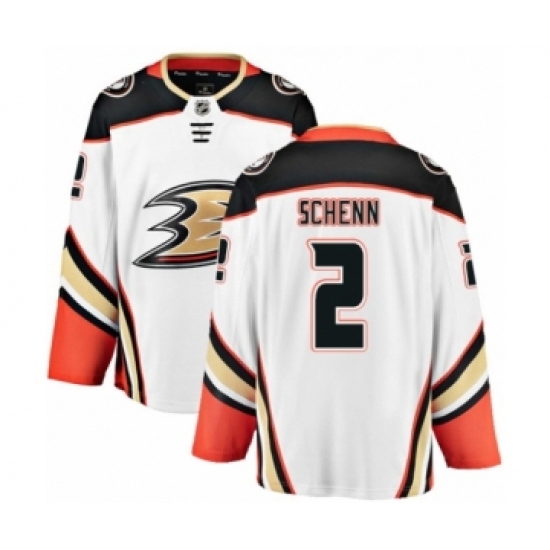
Start with the word "stitched," because it is the most abused term in the wholesale jersey trade. A printed jersey uses heat-transfer vinyl that lifts, cracks, and fades after a dozen washes. A stitched jersey uses separate twill layers sewn onto the body — Tackle Twill numbers on the front and back, embroidered crests on the chest, and twill nameplates on the yoke. That construction difference is what your customers feel in hand and what determines whether they reorder.
Fabric weight matters just as much. Our house stock runs on 300 GSM heavyweight mesh built from 100% breathable polyester mesh, not the thin 160–180 GSM shells that show skin tone under arena lighting. Heavier mesh holds shape through repeated wash cycles, resists snags from skate blades and sticks, and gives the twill a stable surface to sit on so edges do not ripple.
Stitch quality is where budget suppliers quietly cut corners. Every number and letter on our stitched builds is double-stitched Tackle Twill with dense satin borders, then locked with Z-stitch reinforcement at the high-stress points — shoulder seams, sleeve hems, and the nameplate corners where pull force is greatest. A single-stitch number may look fine on a hang tag photo; it will not survive a full contact season.
Two details separate pro-grade jerseys from catalog knockoffs. First, soft interior backing behind every embroidered and twill zone, so the stitching never scratches a bare shoulder or chafes during a three-period game. Second, reinforced collar bands with double needle topstitching, which keep the neckline from stretching into a wavy oval after ten washes in a commercial machine.
For buyers new to bulk sourcing, here is the practical order of operations. Request one sample per style before committing to a full purchase order. Wash it three times in hot water with a normal detergent load. Then check three things: whether the twill edges lifted, whether the mesh pilled, and whether the collar held its original opening width.
Insist on a documented inspection standard before your container or carton ships. A working AQL-style checklist for B2B jersey orders looks like this:
- Stitch density: no fewer than 8–10 stitches per inch on twill borders
- Number alignment: centered within 3 mm tolerance, level to the shoulder seam
- Nameplate: flat, no puckering, edges rolled and sewn, not glued
- Color match: crest and twill shades within one Pantone step of the approved swatch
- Hardware: snaps, drawstrings, and fight straps seated and stress-tested
- Trim: no loose threads longer than 5 mm, no exposed overlock on the interior
Sizing is the silent profit killer in this category. Hockey jerseys are cut to layer over shoulder pads, so a size 52 fits differently than the same number in a football jersey. If you are selling to retail walk-in customers rather than teams, order your size curve slightly wider at the middle and lighter at the extremes. Youth XL and adult small usually turn fastest; adult 3XL tends to sit on the shelf unless you serve a beer league market.
Be honest with retail customers who ask whether hockey jerseys run big or small. The answer: they run generously by design. A fan who normally wears a large typically fits a medium in stitched hockey sizing unless they want the oversized look. Publishing a short size note on your product page cuts returns sharply and protects your margin per order.
Custom work is where bulk buyers build repeat revenue. Team nameplates, player names, sleeve numbers, and commemorative patches can all be produced on the same run. Turnaround on custom stitched hockey jerseys bulk orders depends on volume and art complexity, but nameplate and number runs typically ship faster than full crest builds because the embroidery file already exists. Send vector art (AI, EPS, or a clean SVG) rather than a screenshot — a low-resolution JPEG forces the digitizer to guess, and guessed crests come back looking soft.
Blank stock is your hedge. Keep a standing inventory of blank mesh shells in the three or four most-requested colors so you can fill rush orders with names and numbers applied locally or through a fast finishing run. For buyers who want to test a market before investing in customized production, the House Shop NHL jersey warehouse stock gives you ready-to-ship shells in multiple colorways at tiered wholesale pricing, so a small first order does not lock up your cash.
Inventory planning separates the resellers who survive a season from the ones who discount dead stock in March. Pull your own sell-through numbers weekly for the first month after any new style lands. If a colorway moves fewer than two units per week at full retail, stop reordering it and shift that spend into your proven sellers. Depth beats breadth when your warehouse space is limited.
Shipping and packing deserve a spot in your supplier checklist. Ask how cartons are packed: jerseys folded flat with tissue between twill zones prevent transfer marks, and polybagged units reduce moisture exposure in transit. Confirm whether your supplier master-cartons versus individual-bags, because that decision affects your own pick-and-pack labor cost once the goods arrive.
Pass a short care guide to every customer, and your return rate drops. Turn the jersey inside out, machine wash cold, skip fabric softener (it coats the mesh and dulls the finish), and air dry. Never iron directly over a Tackle Twill number — use a pressing cloth on low heat from the inside if you must. Those three habits add years to a stitched jersey.
For stains, treat immediately. Grass and mud lift with a diluted dish soap soak before washing. Blood needs cold water only, never hot, because heat sets the protein into the fiber. Ink calls for isopropyl alcohol dabbed from the back of the fabric with a clean cloth, not rubbed across the surface.
Storage advice matters for collectors and for your own back stock. Hang on wide, padded hangers rather than thin wire, keep jerseys out of direct sunlight, and avoid sealed plastic bins for long-term holds — trapped moisture encourages mildew in the mesh weave. Breathable garment bags in a cool, dry space are the standard.
Now run the margin math on a bulk tier. If a stitched mesh jersey lands at wholesale and you retail at the standard fan price, the spread is what pays your ad spend, your pick-and-pack labor, and your rent. When you cut one distributor layer out of the chain, that spread widens without raising your retail price — which is exactly how you undercut the big-box stores and still keep healthy gross profit.
How long do stitched hockey jerseys actually last? With double-stitched Tackle Twill, reinforced collar bands, and soft interior backing, a well-built jersey handles 50-plus wash cycles without visible degradation. Cheap printed replicas often fail in 8–12 washes. That gap is your selling point — and your reorder driver.
What is the minimum order for custom stitched hockey jerseys bulk runs? MOQ thresholds shift by style, colorway, and customization level. Blank stock orders start low so you can test a market; fully customized team orders scale with the number of sizes and names. Ask for the current tier sheet before you build your purchase plan.
Can I mix sizes and teams in one wholesale order? Yes, and mixing is usually the smarter play for a first order. It spreads your risk across fast-moving sizes while still hitting the volume tier that unlocks better per-unit pricing.
Do stitched jerseys shrink? Minimal shrink is normal in polyester mesh, typically under 2% when washed cold and air dried. Hot water and high-heat drying are what cause noticeable shrinkage and twill distortion.
Stop paying retail-plus margins to a distributor who never touches the product. Browse the full Jerseys Wholesale House Shop warehouse catalog to compare tiered bulk pricing, low MOQ entry points, and factory-direct dispatch across NHL, NFL, MLB, and NBA stock — then lock your size curve before the next season run sells through.