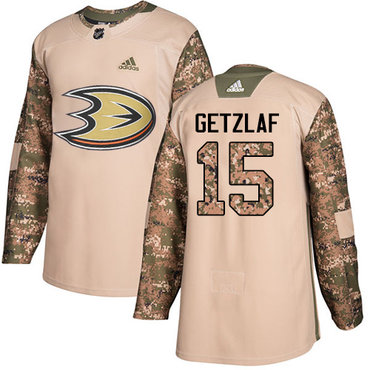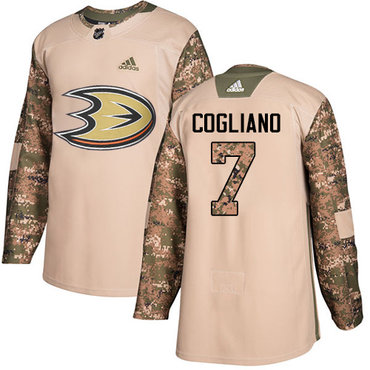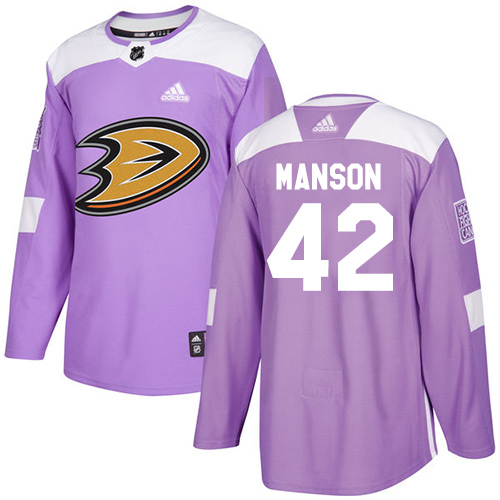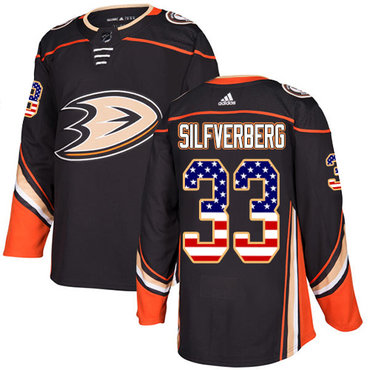
Bulk buyers hunting custom stitched hockey jerseys bulk pricing usually hit the same wall: stacked middlemen, inflated unit costs, and shipments that land after the season opener. A House Shop model fixes that by shipping straight from stocked inventory instead of a broker's waiting list. What follows is the spec sheet, the QC checklist, and the ordering math that actually matter when you buy hockey jerseys by the hundred rather than the piece.
Every dollar lost upstream can't be recovered downstream. When a distributor adds 18% and a regional jobber adds another 22%, your retail price has to climb or your profit vanishes. Direct warehouse supply keeps two or three hands out of your pocket, and that gap is your margin.
Weight is the first thing to verify on any hockey jersey. A 300 GSM heavyweight mesh body holds its shape through a full season of board battles, while thin 180 GSM fabric sags at the hem by November. Ask for the actual grams-per-square-meter figure, not a vague "pro weight" claim.
Hockey runs hot under pads. A 100% breathable polyester mesh body pulls moisture off the skin and dries fast between periods, which matters for teams skating back-to-back games. Cheap poly blends trap sweat, stiffen up, and start smelling after two sessions.
Numbers and letters are where low-grade jerseys expose themselves. Double-stitched Tackle Twill numbers are cut from layered twill and sewn down with two passes of thread. Heat-pressed vinyl peels off in the dryer after a handful of washes, and that becomes your return problem, not the factory's.
Flip any sample inside out before approving a bulk order. Better builds use a soft interior backing behind the twill layers so stitching never scratches ribs or chafes when a player wears the jersey over a base layer. It's a cheap detail to skip and an easy one for a buyer to catch.
Collars take the worst abuse of any panel. Reinforced collar bands keep the neckline from stretching into a wave after repeated pulling, and lace-up fronts should be finished with clean grommets or stitched plackets rather than glued trim that lifts at the first wash.
Stitch density reveals what a factory actually cares about. Serious builds run 8 to 10 stitches per inch on main seams, with Z-stitch reinforcement at stress points like the shoulder yoke and side splits, exactly where a jersey gets grabbed in a scrum.
Sizing trips up more resellers than quality does. Hockey jerseys run big and boxy on purpose so they fit over pads. Tell buyers that a tagged Large fits like an oversized street Large, and publish a chest measurement chart instead of guessing. Avoidable returns eat bulk margin faster than anything else.
Custom work is what separates a reseller from a commodity seller. Names, numbers, sleeve patches, captain's C or alternate A, and team-color twill are all straightforward on a stitched build. Confirm turnaround before you promise a delivery date to a league manager.
When you're sourcing custom stitched hockey jerseys bulk quantities for a multi-team order, mixed sizing and mixed name sets shouldn't slow the line down. A stocked warehouse handles that better than a factory locked into one run at a time, and the pick list stays accurate when sizes are already binned.
Wholesale pricing should step down in visible tiers, not hide behind a quote form. Common breaks land at 10, 25, 50, and 100+ pieces, with the deepest discount on mixed-color orders that ship together. Low MOQ thresholds let smaller shops test a market without tying up cash for a quarter.
Stock depth is the quiet advantage of a warehouse operation. When one size sells out in week three of a season, the gap between a two-day restock and a six-week factory lead time is the gap between keeping a customer and losing one to whoever answers faster.
Run your own inspection on the first bulk shipment. Pull a random 10% sample and check four things against the spec:
- Measurements against the published size chart, chest and body length
- Twill adhesion at the corners and edges of every number
- Seam stitching continuity, especially at shoulders and side splits
- Color consistency across the whole lot, not just the top layer
Packing affects your labor cost more than most buyers expect. Individually poly-bagged jerseys with an external size sticker cut sorting time when a pallet hits your floor, and consistent carton counts make intake predictable for whoever unloads the truck.
Give your customers one care instruction and your return rate drops. Turn the jersey inside out, wash cold, skip the dryer, hang to dry. Heat is what shrinks polyester and lifts the edges of twill lettering.
For stains, blot first and never rub, then work in a mild detergent with cold water. Grease needs a drop of dish soap pressed in before washing. Bleach and hot water will dull team colors permanently, and there's no recovering that on a resale shelf.
Store inventory folded or on wide hangers in a dry space away from direct sun. Ultraviolet exposure fades mesh faster than washing ever does, which is worth passing along to any buyer keeping stock in a bright storeroom.
Do the margin math before committing to a price point. If landed cost is X, selling at 2.2X leaves room for returns, outbound shipping, and one end-of-season markdown. Anything under 1.8X leaves no cushion when a league order shifts.
How long do stitched hockey jerseys typically last? With cold washing and air drying, a 300 GSM double-stitched build holds up through two to three seasons of regular play. The twill usually outlasts the mesh if heat is kept away.
Do hockey jerseys run big or small? They run big by design. Most buyers should order their normal street size or one down if they want a fitted look, since the cut is built to layer over shoulder pads.
What's the minimum order for custom names and numbers? Low MOQ programs start well under 25 pieces on stocked colorways, which is enough to test a new team account before scaling to a full league order.
Can mixed sizes ship in one bulk order? Yes. Warehouse stock is binned by size, so a single order can combine S through 3XL with different name sets and still leave on one dispatch.
Ready to stock the season instead of chasing it? Head to Jerseys Wholesale House Shop and pull up the live warehouse catalog, where tiered wholesale pricing, low MOQ entry points, and factory-direct dispatch keep landed cost down and resale margin intact. Full inventory, size breakdowns, and custom stitched options are listed at www.jerseyswholesalehouse.shop.