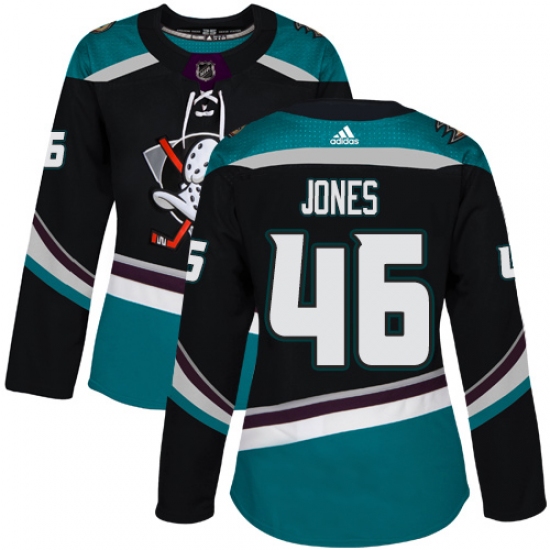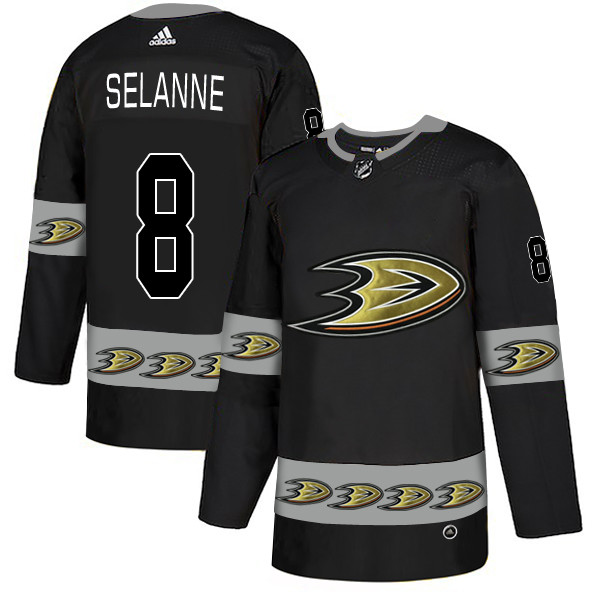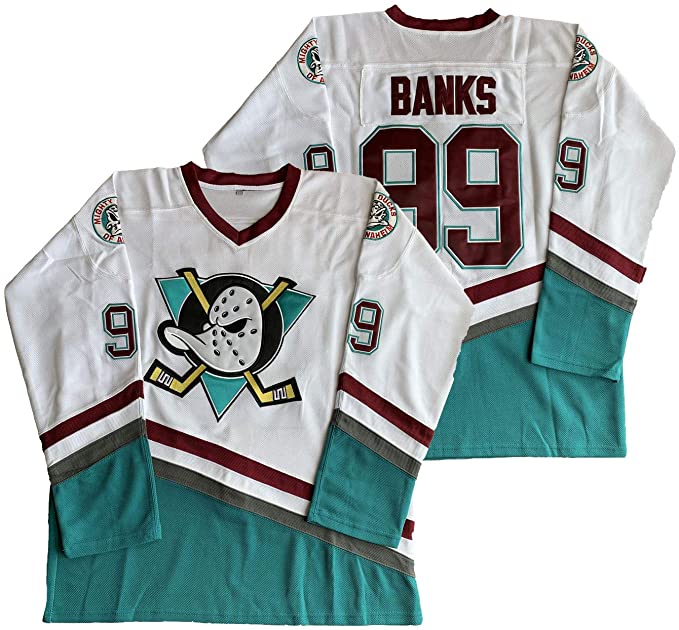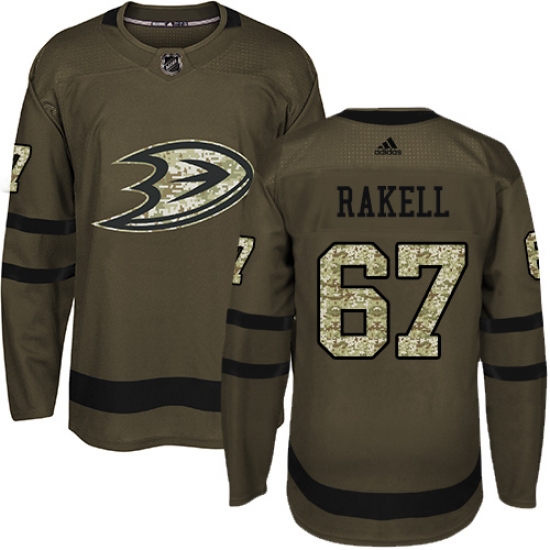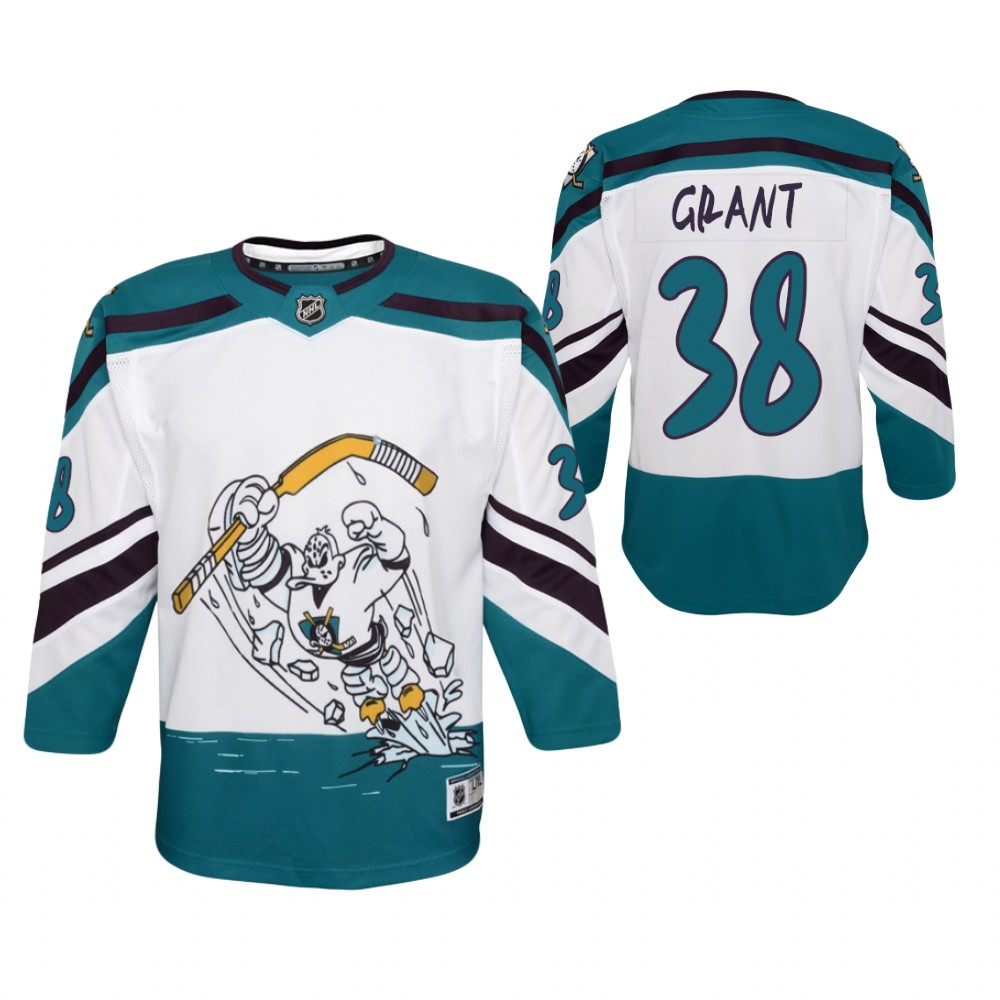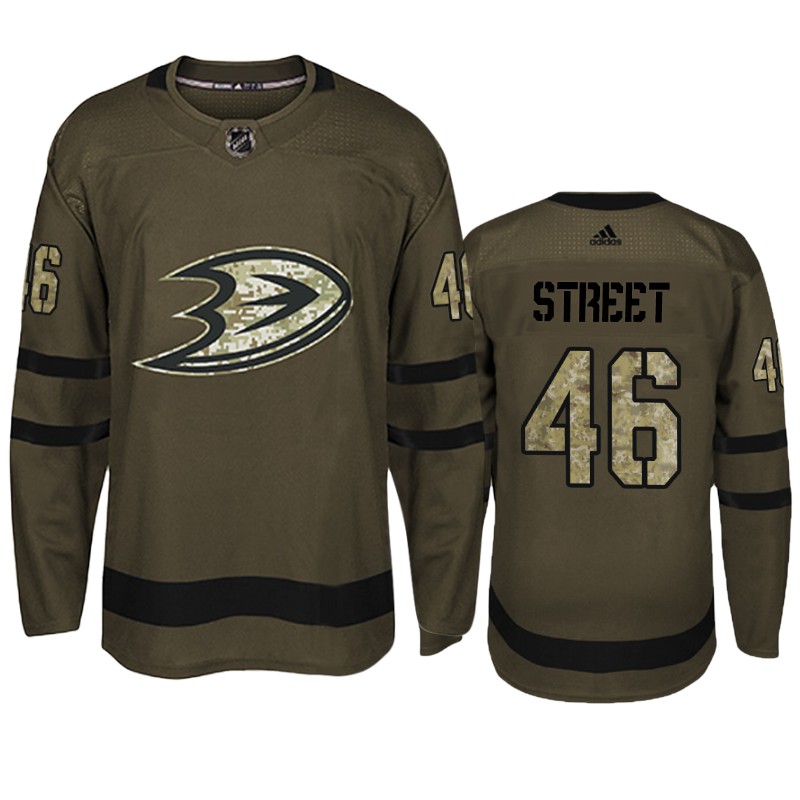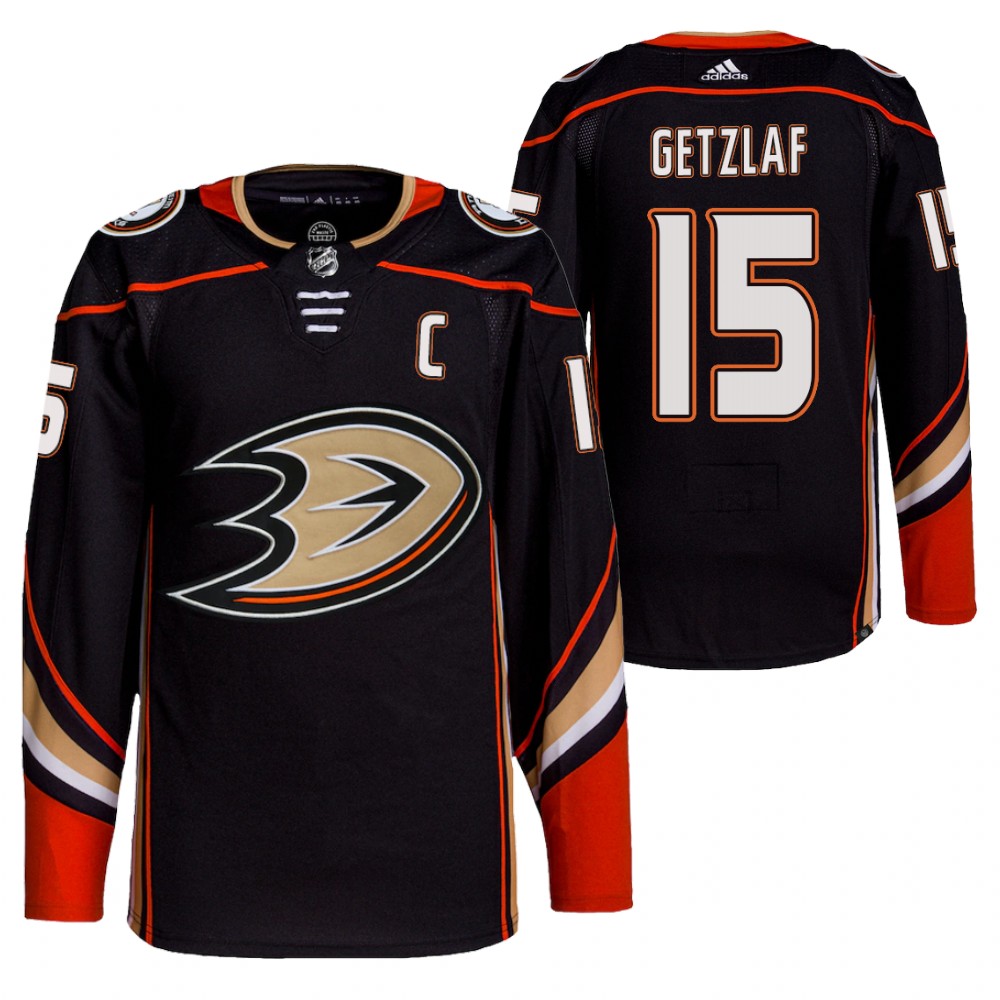
If you are sourcing for a team store, a league, or a reseller network, the real question is not which colorway moves fastest — it is how long do stitched NFL jerseys last once they land in a customer's closet. Get that answer wrong and you pay for it in returns, chargebacks, and one-star reviews that kill reorders. The stock sitting in the Jerseys Wholesale House Shop warehouse is built to survive full seasons, not one tailgate. Here is exactly what determines jersey lifespan on the factory floor, and how to buy bulk stitched NFL jerseys that hold their shape, color, and stitching.
Construction method is the single biggest variable. A heat-pressed or screen-printed jersey starts peeling somewhere between 15 and 30 home washes. A properly stitched jersey with double-stitched Tackle Twill numbers and bar-tacked stress points commonly clears 60 to 100 wash cycles before the mesh itself starts to soften and relax.
That gap is not marketing. It is thread count, stitch density, and how the twill is anchored. On a real stitched build, the number is a separate two-layer twill patch — usually poly twill or satin — that is zigzag-edged and sewn down around the full perimeter at 8 to 10 stitches per inch. The corners get Z-stitch reinforcement so the needle holes do not tear open when a player grabs the jersey on a tackle.
Fabric weight matters just as much. Lightweight 180 GSM mesh feels fine on the rack and turns transparent under stadium lights within a season. The 300 GSM heavyweight breathable polyester mesh used in house-shop bulk stock holds structure, resists snags, and drapes properly across the shoulders. Heavier mesh also hides the interior stitching lines, which keeps the jersey looking clean from the outside after repeated washing.
Look inside the jersey before you judge the outside. Soft interior backing behind the numbers and shoulder logos is what separates a wearable jersey from a scratchy one. That backing layer covers the raw stitch tails so nothing digs into the skin, and it locks the embroidery thread so the pattern cannot unravel from the back after aggressive washing.
The neckline is where cheap jerseys fail first. A single-layer collar stretches into a wavy mess within weeks. Reinforced collar bands with taped shoulder seams and a rib-knit collar keep the opening round and the shoulder line level. For a team reselling to schools or rec leagues, that detail alone decides whether a uniform set looks professional in year three.
Realistic lifespan numbers to quote your buyers, based on moderate wear and correct care:
- Casual fan wear, one to two times per month: 7 to 10 years of usable life, with color fade being the first visible issue.
- Weekly game wear across a 12-week season: 3 to 5 seasons before the mesh visibly relaxes.
- Practice and training use: 2 to 3 seasons, with elbow and side-seam abrasion as the limiting factor.
- Heat-pressed or printed alternatives: 1 to 2 seasons, typically failing at the number edges first.
What actually shortens a jersey's life is almost never the stitching. It is heat, chemistry, and mechanical abuse. Dryer cycles break down polyester fibers and shrink the mesh panel, which pulls the twill and pops threads. Chlorine bleach attacks both the dye and the thread lubricant. Fabric softener leaves a waxy residue that attracts odor and weakens seams. Direct sun fades twill faster than it fades mesh, which is why old jerseys show pale, washed-out numbers on a still-dark body.
Here is the wash routine worth printing on a card and handing to every one of your retail customers:
- Turn the jersey inside out and close any buttons or snaps.
- Wash cold — 30°C / 85°F maximum — on a gentle or hand-wash cycle.
- Use a color-safe detergent and skip bleach and fabric softener entirely.
- Place embroidered or heavy-twill jerseys in a mesh laundry bag.
- Hang dry on a wide plastic hanger, away from direct sunlight.
- Never iron directly over Tackle Twill; a cool press cloth on the reverse only.
Stain triage follows the same logic. Blot — do not rub — any fresh spill with a clean dry cloth. For grass or mud, soak in cold water with a small amount of oxygen-based cleaner for 20 minutes, then agitate gently by hand. Grease needs a drop of dish soap worked in with a soft brush before it ever sees the washing machine. Treat stains before washing, never after, because heat sets them permanently.
Storage decisions matter for shops holding inventory across seasons. Hanging heavy mesh on thin wire hangers stretches the shoulders and distorts the collar over months. Fold jerseys flat in a cool, dry space, away from humid basements and hot attics. If you must stack them for retail display, alternate the fold line to avoid a permanent crease across the number.
Long-term stock should go into breathable cotton or non-woven garment bags, not sealed plastic. Trapped moisture causes mildew spotting on mesh that will not come out. Cedar blocks keep moths and silverfish away from natural-blend trim without adding chemical odor to the fabric.
For B2B buyers, longevity is a purchasing spec, not a hope. Ask for the mesh weight, confirm the stitch density, and inspect the interior backing before you commit to a first order. If you want to see the actual build — 300 GSM mesh, double-stitched Tackle Twill numbers, reinforced collars — start with the stitched NFL jerseys pulled straight from house-shop stock and compare the spec against what your current supplier is shipping you.
Run a real spot-check on any incoming bulk order, not just a visual pass. A five-minute AQL-style audit on 10 percent of the cartons catches almost every defect before it reaches a shelf:
- Pull test: grip the number edge and apply firm tension — a properly sewn twill should not lift or show needle-hole tearing.
- Stitch density: count stitches along one inch of the twill edge; 8 to 10 per inch is the pass mark.
- Measurement tolerance: chest and body length within ±0.5 inch of the size chart.
- Rub test: a white cloth rubbed firmly on the number should not pick up visible dye transfer.
- Symmetry check: shoulder logos and sleeve stripes level on both sides.
Size curves drive reorder velocity more than price does. In the NFL category, an adult run sized S through 3XL usually sells through on a 1-2-3-3-2-1 ratio — two mediums and two larges for every small and 2XL. Youth sizes belong in the same order, since parents buying matching family sets are one of the most predictable repeat buyers in team retail.
Dead stock is the real margin killer in wholesale jerseys, so plan the reorder cycle before the first shipment arrives. Confirm the restock window, keep the size curve balanced across colors, and avoid committing deep on any single colorway before it has proven three weeks of sell-through. House-shop stock lets you reorder in smaller replenishment waves instead of tying up cash in a full container.
Batch pricing follows the same logic. Tiered wholesale discounts reward volume, but low minimum order thresholds mean you can test a new team colorway with a modest commitment, measure sell-through, then scale into the deeper tier once demand is proven. That structure exists specifically to protect distributor profit instead of forcing you to gamble on a large first buy.
Do stitched NFL jerseys really outlast printed ones? Yes, by a wide margin. Stitched Tackle Twill is mechanically anchored to the fabric, while printed graphics sit on top of it and rely on an adhesive or ink bond. Expect three to five times the usable life from a stitched build under the same wear and wash routine.
How do I wash a stitched jersey without pulling the numbers? Inside out, cold water, gentle cycle, mesh bag, and hang dry. The two biggest thread-poppers are dryer heat and high-spin agitation, so removing both solves most of the problem. Spot-treat before washing rather than after.
Do NFL jerseys run big or small? Adult fan jerseys generally run roomy through the body and slightly long in the torso, which is intentional for layering over a hoodie. Order true to size for streetwear, or size down for a fitted look. Always publish the chest and body-length measurements in inches on your store listing to cut return rates.
Will the stitching loosen after heavy game use? Not on a properly built jersey with bar-tacked stress points and Z-stitch corner reinforcement. Loose stitching almost always traces back to a single-stitch build with no interior backing — an easy tell when you inspect the inside of the garment before placing a bulk order.
Ready to lock in stock that survives the season instead of the return window? Head to Jerseys Wholesale House Shop to browse the full warehouse catalog, check live inventory across teams and sizes, and confirm tiered wholesale pricing with low minimum order thresholds. Factory-direct fulfillment keeps your cost basis low, your reorder turnaround short, and your distributor margin intact — exactly what a stitched jersey should do for your business over the long run.