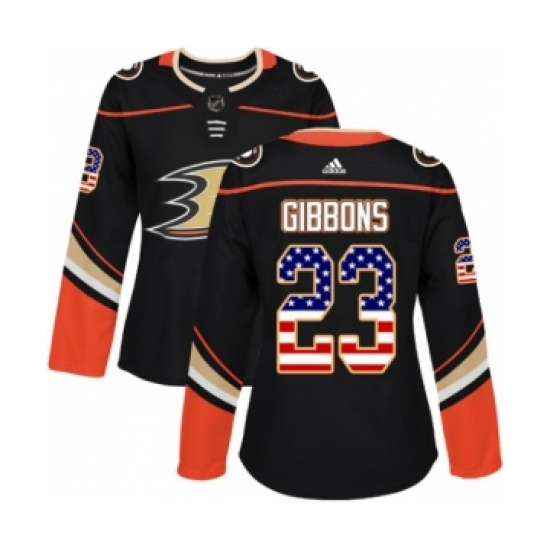
How long do stitched NHL jerseys last is one of the first questions serious hockey resellers ask before they place a bulk order. If a jersey falls apart after a few washes, your customers blame you, not the factory. The real pain for B2B buyers is simple: thin mesh, weak embroidery, slow restock, and margins eaten by middlemen who never touch the product.
At Jerseys Wholesale House Shop, we handle that problem with warehouse-direct hockey stock built for adult league play, youth programs, team stores, and resale. The goal is not just to answer the durability question. It is to show you which construction details separate a jersey that lasts three seasons from one that lasts eight.
In normal use, a well-made stitched NHL jersey can last 5 to 8 years for an adult fan who wears it on game days. For practice jerseys used twice a week, expect 2 to 4 seasons before visible wear. The difference comes down to fabric weight, stitch density, backing, collar construction, and how the end buyer washes it.
Fabric weight is the first variable. Lightweight 180 to 220 GSM mesh feels fine on a hanger but breaks down faster under repeated washes and rink abuse. Our NHL stock uses 100% breathable polyester mesh at 300 GSM. That heavier mesh holds shape, resists snags, and still moves air so players do not overheat.
Stitch quality is the second variable. A single-stitched number can lift at the corners after a few hot washes. Our jerseys use double-stitched Tackle Twill numbers and letters with tight zigzag lock stitching. That means the twill layers stay flat, the edges stay clean, and the jersey keeps its retail look after repeated wear.
Soft interior backing matters more than most buyers realize. Cheap embroidery leaves stiff thread against the skin, which causes itching and returns. We specify a soft interior backing behind crests and numbers. It protects the chest and back, improves comfort for youth players, and reduces complaint rates for team stores.
Stress points decide real lifespan. Collars stretch, shoulders pull, and seams split when players tug jerseys. Our hockey stock uses reinforced collar bands, bar-tacked stress points, and clean shoulder yokes. These details are not cosmetic. They are the reason a jersey survives bench pulls, equipment bags, and repeated laundering.
Stitched decoration always outlasts heat-pressed decoration. Heat transfer can crack, peel, or fade after 20 to 30 washes. Stitched twill can hold for years if the wash instructions are followed. For resellers, that difference supports a higher price point and fewer refund requests.
For B2B buyers, the heavy-duty stitched NHL hockey jerseys in our house shop are selected for repeatable bulk quality, not one-off sample photos. We check stitch counts, twill alignment, colorfastness, and shrinkage before stock is released to wholesale accounts.
Washing habits change the answer fast. Tell your customers to turn the jersey inside out, use cold water, and skip fabric softener. Fabric softener coats polyester fibers, traps odor, and weakens adhesion on any heat-applied marks. Hang dry only. A dryer on medium heat can shrink mesh and warp twill within one season.
Stain removal is another area where bad advice destroys jerseys. Rink stains often include blood, beer, grease, and arena grime. Use cold water and a mild oxygen-based cleaner. Never use chlorine bleach on colored hockey jerseys. Test any cleaner on the inside hem first, then blot, do not scrub, because scrubbing pulls mesh threads.
Storage affects long-term shape. Hang jerseys on wide plastic or wooden hangers, not thin wire. For bulk inventory, keep stock in breathable garment bags or cardboard cartons away from damp walls. Do not seal jerseys in non-breathable plastic for months. Trapped moisture causes mildew and musty odors that kill resale value.
Sizing questions also drive returns. Do NHL jerseys run big or small? Authentic and replica cuts vary by manufacturer and era. Most modern adult replica jerseys run true to men’s T-shirt size, while older CCM and Koho styles can fit larger. Always publish a chest measurement chart and tell buyers to measure a jersey they already own.
Our wholesale account managers help you build a size curve that matches your market. A typical mixed order might include more medium and large for retail, plus XL and XXL for adult league teams. Youth sizes move fast in hockey towns. If you guess wrong, you sit on dead stock while your competitor sells through the same teams.
Quality control should be simple and repeatable. Before you approve a bulk shipment, inspect a random sample against these checkpoints:
- Stitch density: 8 to 10 stitches per inch on twill borders and seams.
- Twill alignment: numbers centered, letters level, no gaps or puckering.
- Interior finish: soft backing covers scratchy thread ends.
- Collar and hem: reinforced bands, straight stitching, no loose threads.
- Colorfastness: rub a damp white cloth on dark colors, check for transfer.
- Shrinkage: wash one sample in cold water, air dry, measure before and after.
Pricing structure matters as much as durability. Middlemen add 20 to 40 percent before a jersey reaches your store. Jerseys Wholesale House Shop works on factory-direct bulk tiers, so your cost drops as volume rises. Low MOQ thresholds let you test teams, colors, and sizes without tying up thousands in inventory.
Season timing is critical. NHL demand peaks from October through February, with a second wave around playoffs. Smart buyers lock stock in late summer, before blank inventory gets tight. Our house shop keeps core colors, common sizes, and popular team styles in bulk reserve for fast dispatch.
Custom programs are where margins improve. Team hockey jerseys with custom names and numbers can sell at a premium because buyers cannot price-compare easily. Bulk stitched hockey jerseys for league sets, corporate teams, and tournaments carry strong profit if you control the decoration and size run.
Profit math is straightforward. If a stitched jersey costs you $18 to $24 at bulk tier and retails for $55 to $85, you have room for shipping, payment fees, and promotions. The failure point is cheap product that generates returns. One refund can wipe out the profit from three jerseys.
Durability also supports repeat customers. A jersey that lasts five seasons becomes a walking advertisement for your store. Teammates ask where it came from. Parents buy the next size. League managers reorder for new players. That repeat business is worth more than a one-time low-price sale.
Q: How long do stitched NHL jerseys last with regular wear?
A: A well-made 300 GSM stitched jersey lasts 5 to 8 years for casual wear and 2 to 4 seasons for frequent practice use. Wash cold, inside out, and hang dry to reach the top end of that range.
Q: Are stitched NHL jerseys better than heat-pressed jerseys?
A: Yes. Stitched Tackle Twill numbers and letters resist peeling, cracking, and fading. Heat-pressed graphics are cheaper but break down faster, especially under hot dryers.
Q: What is the minimum order for wholesale NHL jerseys?
A: MOQ varies by style and customization. The house shop supports low MOQ test orders, then moves you into tiered bulk pricing as your volume grows.
Q: Can I mix sizes and teams in one bulk order?
A: Yes. Mixed size runs and team assortments are standard for team stores and resellers. Share your target size curve and we will help you build the order.
If you want durable stitched hockey stock without middleman markups, go straight to the source. Review live bulk tiers, low MOQ options, and factory-direct dispatch at Jerseys Wholesale House Shop. Build your next team order with jerseys that survive the season and protect your resale margin.